Guide
Optimizing your digital profile for search
Keywords, tagging, and why searchability is the new audition in 2026. How modern casting platforms use your data.
The days of mailing a printed headshot are over. Even the era of emailing a PDF resume is fading fast. In 2026, casting is a digital, data-driven process. Casting directors are overwhelmed with submissions. To manage the volume, they rely on advanced platforms and search algorithms. If you are not treating your digital profile like an SEO project, you are invisible. You could be the most talented actor in your city, but if the algorithm cannot find you when a casting associate types in specific parameters, you will never get the audition.
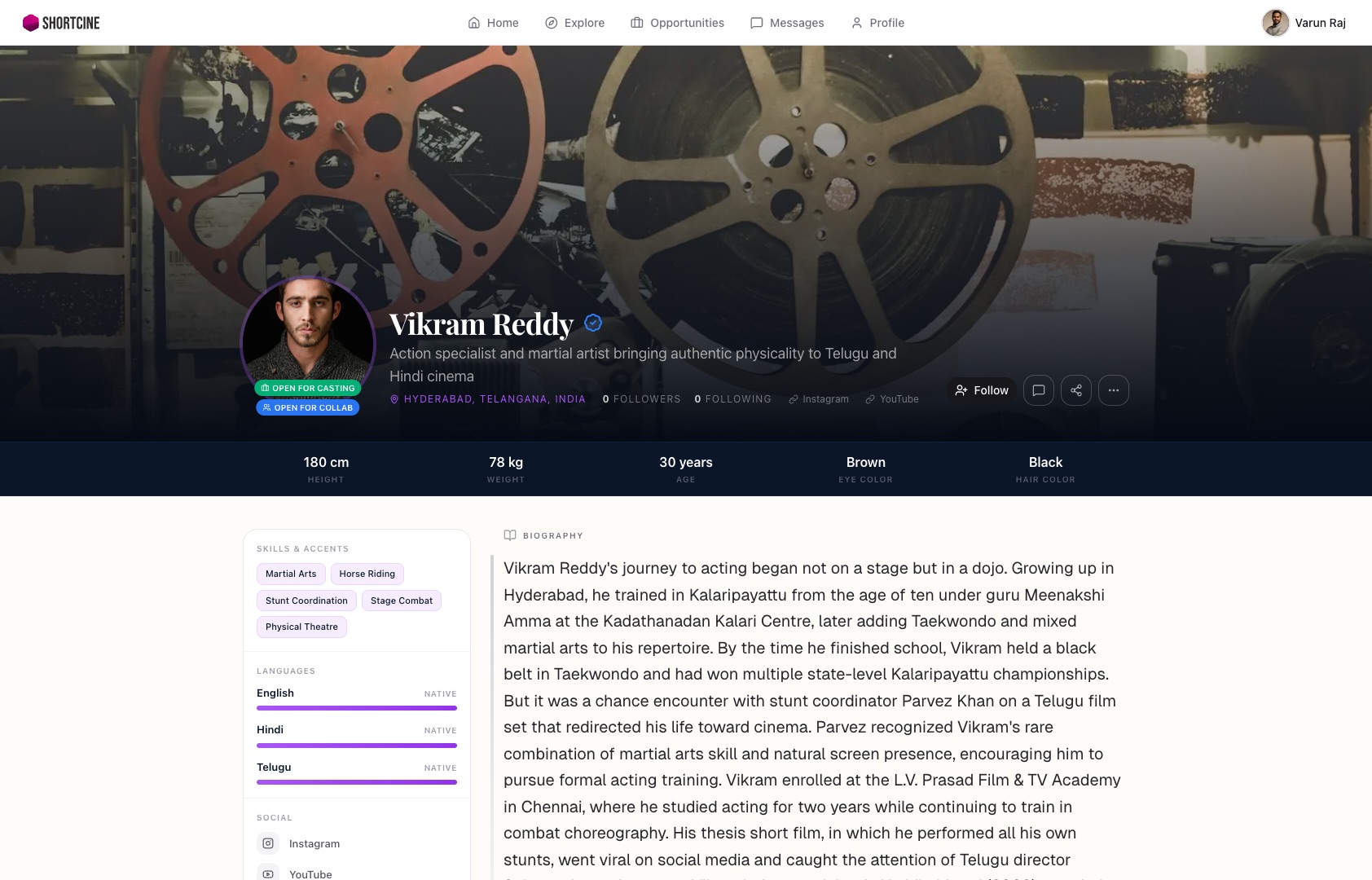
Searchability is the new audition. Platforms like ShortCine or Actors Access operate like massive search engines. When a casting director is looking for a co-star for a medical drama, they don't scroll through thousands of faces. They type queries: "Female, 25-35, fluent Spanish, medical jargon experience, based in Mumbai." The system filters the database and presents a curated list. If your profile doesn't hit those exact data points, you don't even appear in the results.
The importance of granular skills
The most common mistake actors make is being too broad with their special skills. In a digital system, broad terms are useless. Don't just list "Sports." List "Competitive Swimming," "Horseback Riding," or "Muay Thai." When a production needs someone who can realistically ride a horse in a period drama, they aren't searching for "sports." They are searching for "Equestrian." The system matches specific strings of text.
Do not lie. Because digital tools can now cross-reference data and even analyze video, lying about a skill will get you blacklisted. If you list "Fluent French" and the director requests a tape in French, and you clearly used a translation app, you are finished with that casting office. List only what you can execute professionally on set tomorrow. Authenticity is a currency in 2026.
Visual data as more than just photos
Your headshots are not just photographs anymore; they are data points. Modern platforms use image analysis to tag photos automatically. You need distinct, clearly defined looks. The old "theatrical" versus "commercial" binary is outdated. You need targeted looks that feed the algorithm. Label these photos accurately in the system. If you upload a photo in a suit, title it "Corporate_Lawyer" rather than "Headshot_3." Some platforms index these file names and tags.
Your primary headshot must read clearly at the size of a postage stamp. When you appear in a search result grid alongside fifty other actors, your face needs to pop. Avoid complex backgrounds or heavily stylized lighting. The system needs to map your facial geometry easily, and the casting director needs to see your eyes. If the photo is too busy, they will just scroll past you.
Resumes structured for machines
Humans read stories, but machines read structure. Your digital resume must be meticulously organized. Standardize your formatting. Use industry columns: Project Title, Role Type, and Director or Network. If you worked on a Netflix show, the word "Netflix" needs to be visible. Search algorithms often weight high-tier networks heavily when filtering for experienced talent.
Don't just list the name of your acting studio; list the technique. If a casting director is searching for actors trained in "Meisner" or "Lee Strasberg," those words need to be present in your training section. Keywords matter. Every piece of training or experience you add is another hook that could pull you into a search result.
The algorithm loves video content
Profiles with video content rank higher. It is a simple metric: casting directors spend more time on profiles with reels, so platforms prioritize them. But a single four-minute montage is no longer effective. The 2026 standard is modular clips. Break your reel down into 20-second individual clips, each labeled with specific keywords.
Title them "Comedic_Sitcom" or "Dramatic_Interrogation." When a casting director searches for "Medical Drama," the algorithm will surface your specific clip of you playing a doctor directly to the top. This bypasses the need for them to scrub through a long, irrelevant reel. It saves them time, and in this industry, saving people time is how you get hired.
Location and the local hire filter
With budgets tightening, "local hire" status is a massive search filter. Be extremely precise about your location. If you are based in Mumbai but have accommodation in Hyderabad and can work as a local hire there, ensure both locations are checked in your settings. Do not claim local hire status if you cannot realistically work there without the production paying for travel. Lying about this ruins the data integrity and will anger casting directors.
A digital profile is not something you set and forget. Algorithms favor active users. Log in regularly, update your measurements, add new training, and refresh your clips. A profile last updated two years ago tells the system that you are not actively working. Master the data, and you will get in the room.
Your career deserves a better home than a WhatsApp group.
Stop sending PDFs and bulky video files. One professional link for your entire portfolio.