Technology
Is Your Actor Portfolio Actually Discoverable by AI Search Tools?
Why do some actors always appear at the top of casting results while others stay hidden? It’s about how machines read your data.
When a casting director hits 'Search,' do you know if your name even shows up? The days of manual filing are over. Today, the "machine" decides who gets a first look.
If your profile isn’t optimized for how these tools filter data, you might be invisible. How do you ensure you're working with the algorithm rather than against it? Here is what you need to change today.
Stop treating your bio like a diary
Casting directors search by keywords. If they need someone who can ride a motorcycle, they type "motorcycle." If they need a "fluent French speaker," they type exactly that.
Many actors write bios like: "I have always dreamed of being under the spotlight and my passion for the craft knows no bounds." While that’s nice, it doesn't help a search tool find you.
The Fix: Be specific. Instead of "I am a versatile actor," try "Experienced in method acting, fluent in Hindi and Marathi, with 5 years of contemporary dance training." List every specific skill, dialect, and physical attribute. If you can play a musical instrument, name it. If you have a passport, mention it.
Your credits need structure
Search tools love structured data. If your credits are just a block of text, the system might not recognize which parts are film titles and which are character names.
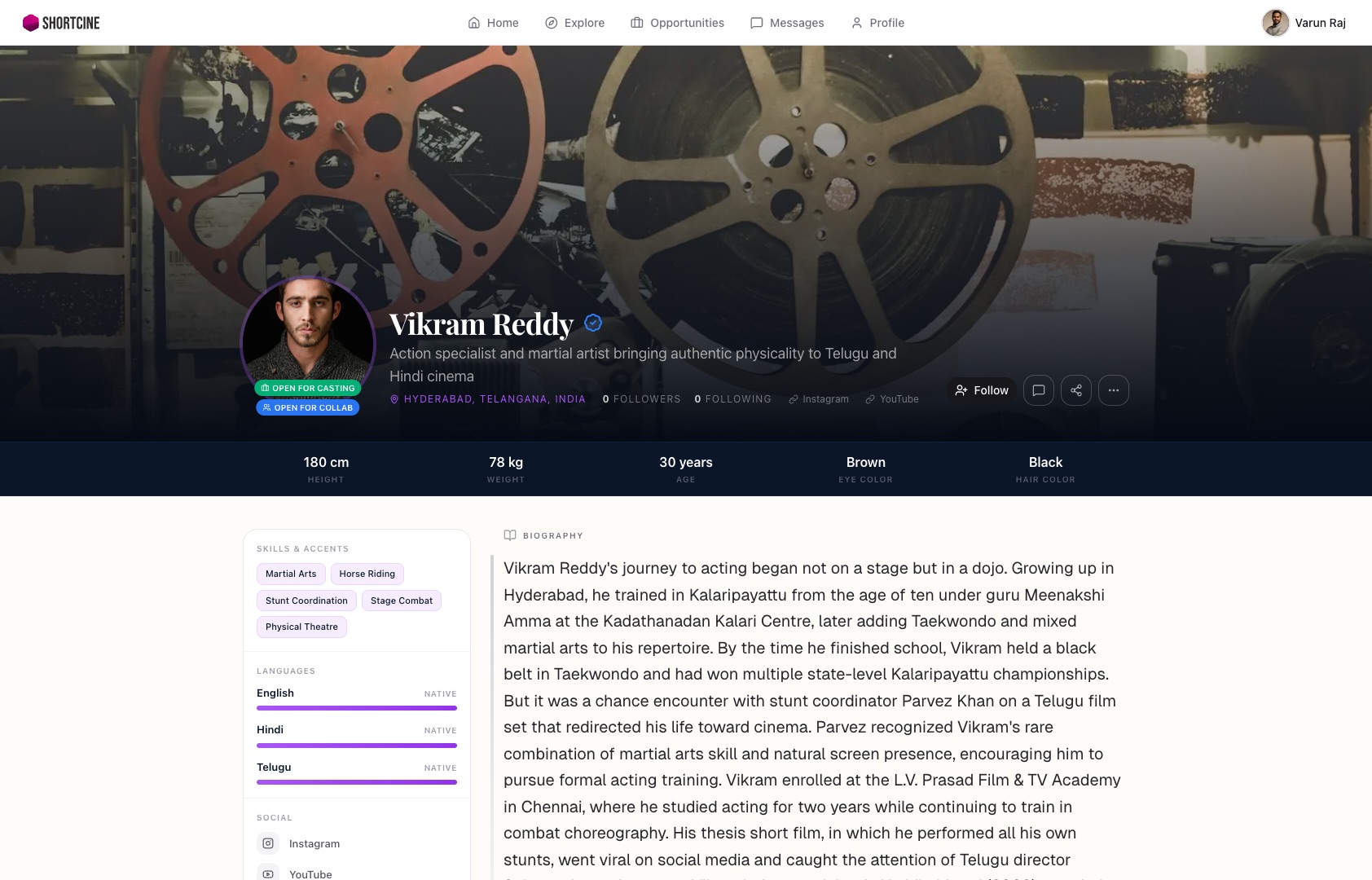
When you list your work on platforms like ShortCine, use the designated fields for:
- Project Name
- Role Type (Lead, Supporting, Cameo)
- Director/Production House
- Year
This allows a director to filter for "Actors who have played lead roles in indie films" or "Actors who have worked with specific production houses."
High-quality metadata for photos and reels
When you upload a photo, the file name "IMG_9823.jpg" tells a computer nothing. While some advanced AI can "see" what’s in a photo, you shouldn't leave it to chance.
Most platforms allow you to add captions or tags to your media. Use them. If a photo shows a "Corporate Look" or a "Rural/Village Look," tag it. If your reel has a specific scene that shows "Intense Drama" or "Slapstick Comedy," make sure that’s in the description.
Casting directors often search for a "vibe" before they search for a face. Tags help you show up in those niche searches.
The power of verified data
As AI tools become more common, "noise" increases. There are more fake profiles and outdated information than ever. Casting directors now prioritize "verified" data.
If a platform offers a way to verify your credits or identity—do it. A verified badge is a signal to the search algorithm that your profile is high-quality and reliable. It often pushes you to the top of the search results because the system trusts your information more than an unverified account.
Keep it current
Search algorithms often favor "freshness." A profile that hasn't been updated in two years looks abandoned. Even if nothing major has changed, logging in and refreshing your "About" section or adding a new headshot signals to the system that you are active and available for work.
The digital age doesn't mean you need to be a tech expert. It just means you need to be clear, specific, and organized. When you make it easy for the machine to find you, you make it easy for the casting director to hire you.
Your career deserves a better home than a WhatsApp group.
Stop sending PDFs and bulky video files. One professional link for your entire portfolio.