Guide
Free Casting Call Portals: Where to Find Genuine Auditions Without Paying
You do not need to pay to find real auditions. Here are the free channels that actually carry genuine casting calls in India, and how to work them so they produce callbacks.
There is a persistent belief among new actors that the real auditions are behind a paywall, and that the free stuff is scraps. It is a useful belief for the people selling access, and it is not true.
Almost every casting call that matters is findable for free, because casting directors want submissions. They are not hiding roles from you. They are drowning in applications and trying to reach the right people quickly. Their incentive is distribution, not scarcity.
So here is where the genuine free channels are, and, more importantly, how to work them so they actually produce callbacks rather than a folder of unanswered emails.
The channels that actually carry real calls
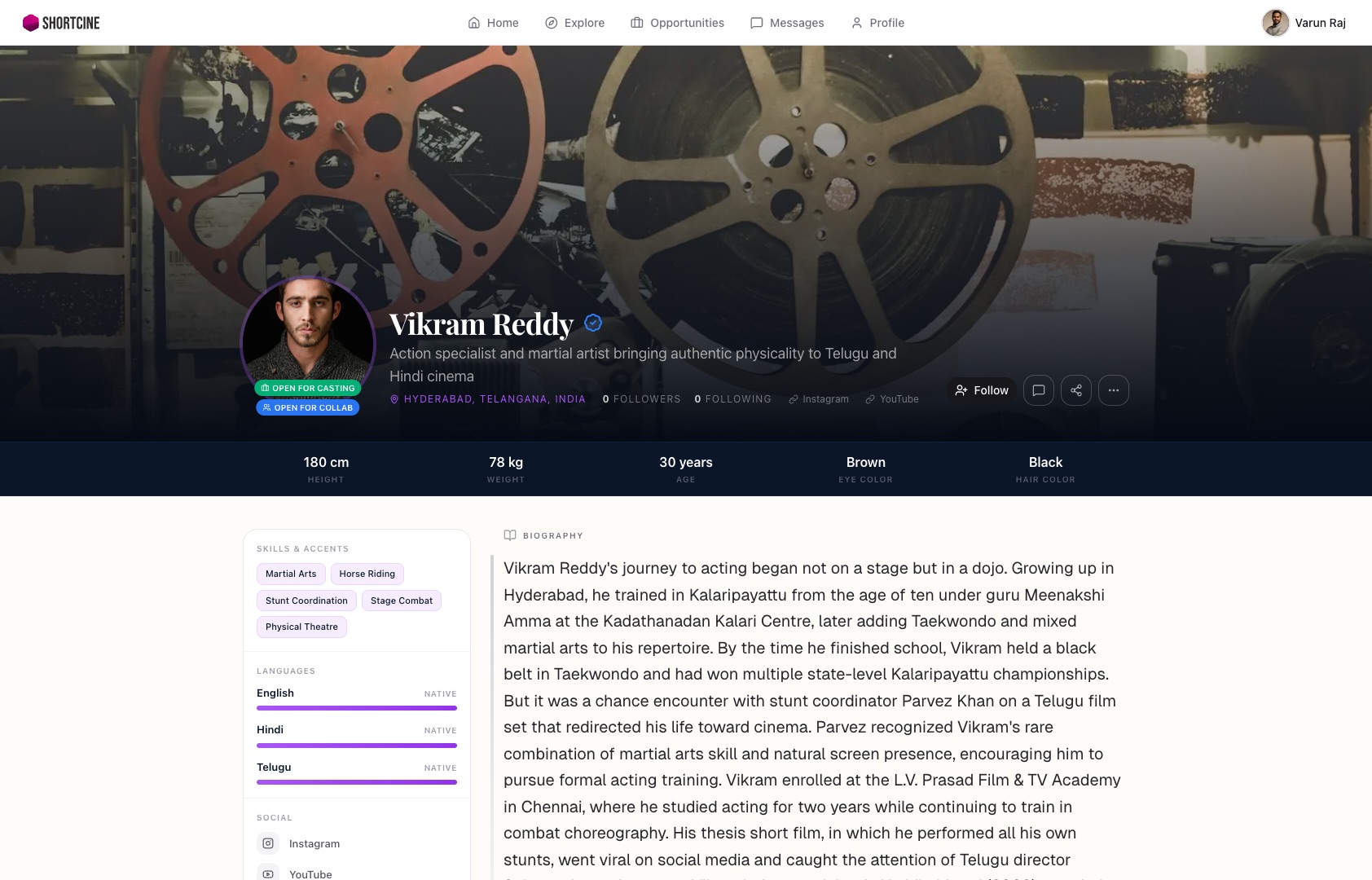
Casting platforms with free profiles. The workhorse channel. Casting associates filling forty supporting roles on a series use platforms because they can filter by age, height, language, dialect, city and availability instantly. Most reputable platforms let you build a complete profile and apply to calls without paying. Paid tiers usually buy convenience features, not access to secret roles.
Casting directors' own social accounts. A very large share of open calls in India are posted directly to Instagram by the casting director or their associates, and taken down within days. This is free, it is first-hand, and it is systematically under-used because it requires daily habit rather than a single sign-up.
Production house announcements and accounts. Following the production houses that make work in your language gives you a few months of warning before their next project casts.
Theatre groups, drama schools and local film collectives. Casting associates who need trained, unknown actors quickly call the groups they trust. Being active in your local theatre scene is the oldest free casting channel there is and it still works better than almost anything online.
Film school and student production boards. Unpaid or low-paid, but it is real footage, real credits and relationships with people who will be directing properly funded work in five years.
Ad casting directors, who are a separate world. Commercial casting is run by a distinct set of specialists who post publicly and cast constantly. Actors who follow only film casting directors never see any of it.
Word of mouth among actors. Unglamorous and consistently the highest-yield channel that exists. Other actors hear about calls they are not right for, and they pass them on if they know you.
Why free channels underperform for most people
Not because the calls are fake. Because of how people use them.
They create a profile and leave it half-finished, so the filtered searches never surface them. They check once a fortnight and miss windows that close in three days. They submit only to the roles they wish they were right for rather than the ones they actually match. They send the same generic tape everywhere. And they stop after twenty submissions because nothing came back, which is roughly the point at which the process is supposed to start working.
The free channels are not a lottery you enter. They are a system you operate.
How to make a free profile actually work
Fill in every single field. Height, age band you can play rather than only your real age, city, willingness to travel, every language with an honest fluency level, every dialect by name, training, physical attributes, special skills that are genuinely true. Associates filter before they look at faces. Blank fields make you invisible in exactly the searches you would have won.
Use current, plain photographs. One clean headshot that looks like you on an ordinary day, one neutral-expression headshot, one plain full-length shot in fitted clothes against a blank wall. Not stylised, not filtered, not from three years ago. The most common reason a submission dies quietly is that the actor does not match their own photographs.
Attach short proof. A ninety-second reel if you have footage, two contrasting monologues if you do not, and a thirty-second dialect sample for each language you claim at performance level. A casting director who can confirm your claim in half a minute will consider you today.
Write a summary that answers casting questions rather than telling your story. Who you read as, what you can perform in, where you are, what you have trained in.
Keep it current. Update photographs when you change your hair or your build, and update availability honestly.
How to work the channels weekly
Build a follow list once, then check it daily. Every casting director working in your languages, every production house making the kind of work you want, every ad casting specialist in your region. Ten minutes a day. Calls that vanish in three days are the ones with the least competition.
Set a submission target, not a booking target. Bookings are not in your control. Fifteen submissions a month is. Track it.
Only submit where you match the brief. For unnamed supporting roles, casting is specification matching. Submitting outside your bracket does not show enthusiasm, it teaches an associate that you do not read.
Tape fast. Have a permanent corner with a window or lamp, a tripod at eye level, a plain wall and a reader you can call. When taping takes ninety minutes, you can answer every relevant call, and volume is what actually converts.
Log everything. Date, project, role, casting director, what you sent, any reply. It stops duplicate submissions, shows you which channels produce callbacks, and turns silence into data you can act on.
Then accept the silence. Most submissions get no response, ever. This is arithmetic, not judgement. The tape that goes unanswered is often the one that gets you flagged for a different project six months later, which is how a large share of first jobs actually happen.
What is worth paying for, and what is not
Worth paying for, on their own merits: acting training you chose, headshots from a photographer you chose, a showreel edit, travel to a callback, your own equipment. You keep all of it regardless of any specific role.
Not worth paying for, ever: a fee to be considered for a particular project, a required portfolio sold by the people offering you the role, a mandatory grooming course before submission, a database or listing fee, an agent's signing fee or retainer, or a "guaranteed audition".
A transparent subscription to a casting tool sits in between and can be perfectly legitimate, as long as it is selling you convenience rather than access to a promised role. The test remains the same: would this be worth it if that specific role did not exist?
Frequently asked questions about free casting portals
Can you find genuine auditions without paying? Yes. Most real casting calls in India are distributed free through casting platforms, casting directors' own social accounts, theatre networks and word of mouth, because casting teams want submissions rather than scarcity.
Do paid casting subscriptions give access to better roles? Generally no. Paid tiers typically buy convenience features. Any service claiming to hold exclusive roles behind a paywall, or promising auditions, should be treated with suspicion.
Why am I not getting responses from free portals? Usually because of an incomplete profile that filtered searches skip, outdated photographs, low submission volume, or submitting outside your actual casting bracket.
How often should I check for new casting calls? Daily. Many genuine open calls are posted to social accounts and close within a few days.
What should I never pay for? Any fee tied to being considered for a specific role, mandatory portfolios, required courses, database fees, and agent signing fees or retainers.
Your career deserves a better home than a WhatsApp group.
Stop sending PDFs and bulky video files. One professional link for your entire portfolio.